


Think of a man you genuinely look up to. Chances are he is physically strong, calm under pressure and carries himself tall. He does not shrink when things get hard.
That is not a coincidence. Strength, mood and posture travel together, and the research backs it. The good news is that every one of them can be trained. Here is what the science supports—and what you can start doing this week.
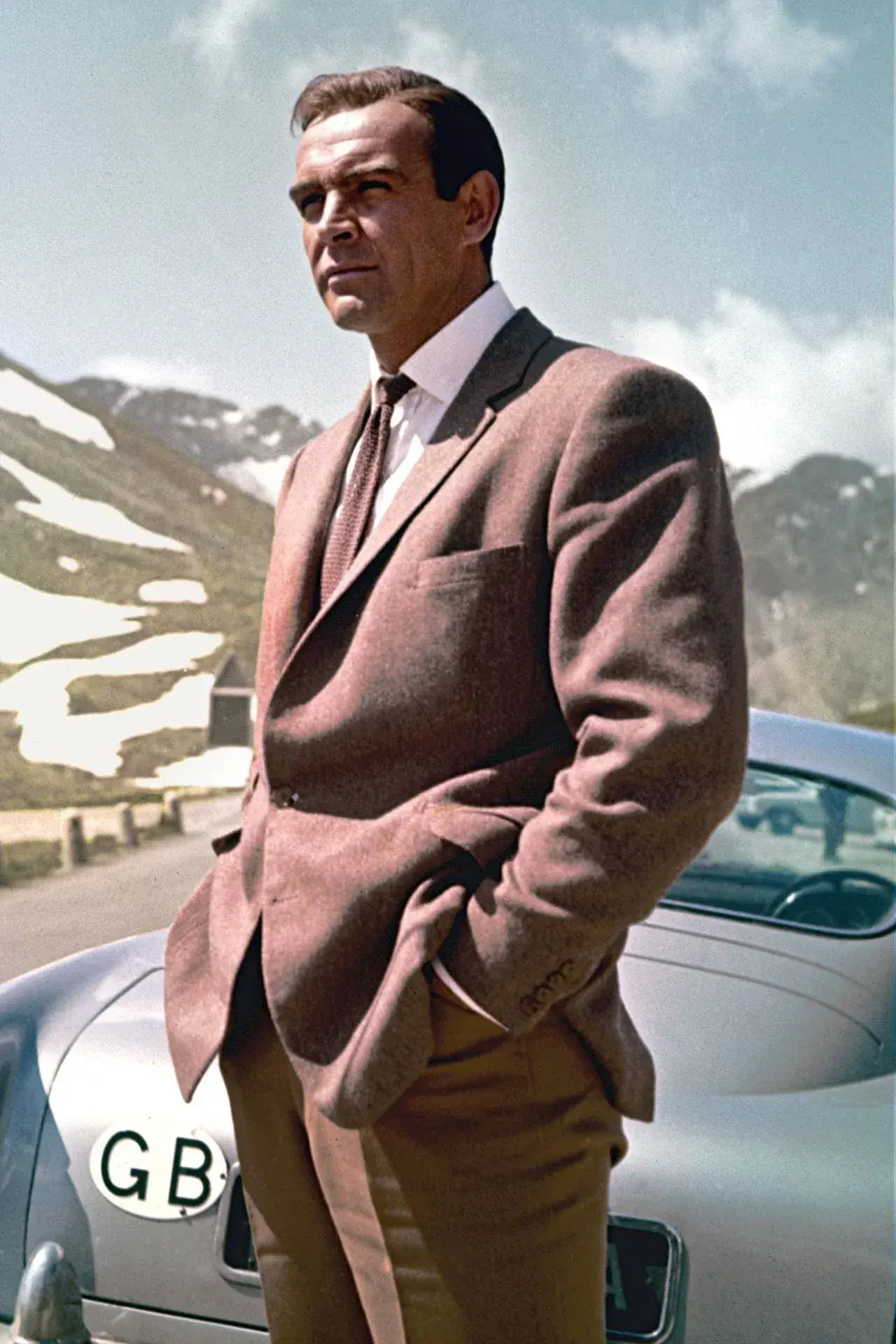
The lobster lesson
Rule 1 of Jordan Peterson’s 12 Rules for Life is simple: stand up straight with your shoulders back. His hook is the humble lobster.
Lobsters live in dominance hierarchies. Winners carry themselves big; losers shrink and retreat. In a well-known 1997 study, researchers boosted serotonin in defeated lobsters and crayfish. Those animals stopped backing down and became willing to stand their ground against dominant rivals again.
Serotonin is tied to where you sit in the pecking order. That same chemical system runs, in its own way, in us. After years of living with obesity, you may feel—and appear—defeated, with your shoulders slumped.
What the science supports
Strength training lifts mood. A 2018 meta-analysis in JAMA Psychiatry pooled 33 randomised trials with nearly 1,900 people. Resistance training produced a significant, moderate reduction in depressive symptoms. The benefit showed up whether or not people actually got stronger. Turning up matters.
Stronger men are less likely to become depressed. Across prospective studies, men with higher grip strength had about a 26% lower risk of depressive symptoms.
Posture affects how you feel. In a University of Auckland trial, people with mild to moderate depression who sat upright reported more energy and enthusiasm and less fatigue than those who slumped. A 2026 McGill study found upright sitters felt more positive and made bolder decisions.
Exercise feeds your serotonin system. Sustained exercise can increase the availability of tryptophan, the building block your brain uses to make serotonin.
Six ways to support your serotonin and mood
Standing tall is one piece. These are the habits the evidence supports.
- 1
Get morning sunlight. Bright light early in the day supports serotonin and sets your body clock. Aim for 10–30 minutes outside within an hour of waking.
- 2
Lift, and keep moving. Resistance training reduces depressive symptoms, and sustained exercise boosts the raw materials for serotonin. Three strength sessions a week plus a daily walk is a strong target.
- 3
Protect your sleep. Serotonin and sleep work both ways: poor sleep can affect mood, while disrupted sleep makes everything harder. Consistent bed and wake times beat chasing a quick fix.
- 4
Eat enough protein. Serotonin is built from tryptophan, which comes from foods including eggs, meat, fish, dairy, nuts and seeds. Pair it with whole-food carbohydrates as part of a balanced diet.
- 5
Stay connected. Belonging and social connection matter. Being seen, valued and answerable to other men is more than feel-good talk.
- 6
Carry yourself like it. Stand tall, shoulders back. It will not do the job alone, but it may help you feel more energetic and engaged—and it is a change you can practise immediately.
Build the back that holds you up
ou cannot just tell yourself to stand tall. You build a back strong enough to hold you there. These movements strengthen the muscles that support an upright posture and counter the daily hunch.
Pull-ups or chin-ups. A powerful upper-back movement. Start with band-assisted repetitions or dead hangs if you cannot do one yet.
Rows. Bent-over, seated cable or dumbbell rows build the mid-back muscles that help stop your shoulders rolling forward.
Face pulls. Use a light weight and controlled repetitions to work the upper back and rear shoulders.
Band pull-aparts. Easy to do almost anywhere. Sets of 20 can activate the muscles between your shoulder blades.
Deadlifts. Train the posterior chain to hold you upright under load. Start light, use sound technique and seek qualified guidance if needed.
Overhead press. Builds strong, stable shoulders and a tall, braced trunk.
Chin tucks and doorway chest stretches. Bring your head back over your shoulders and open a tight chest.
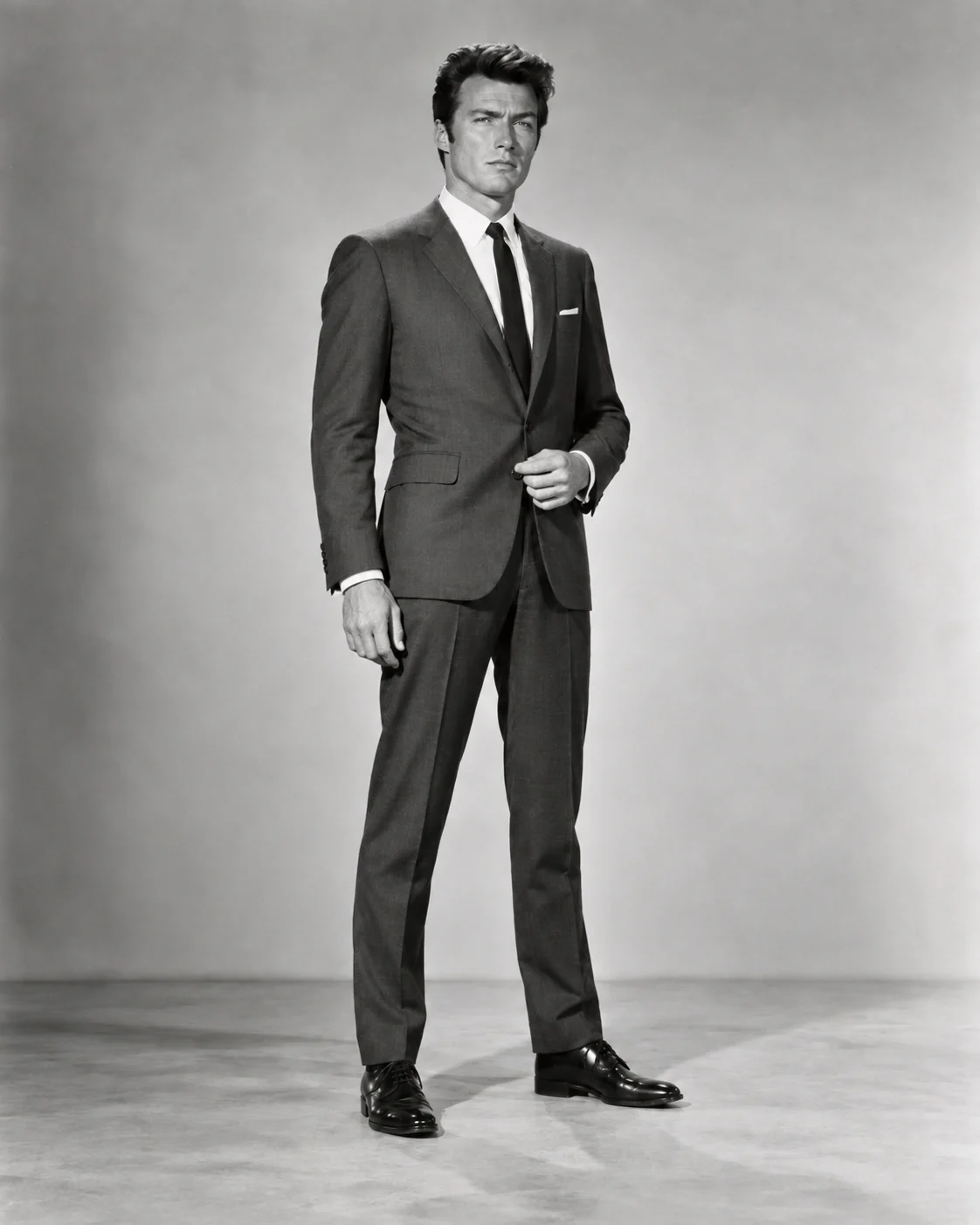
A simple weekly plan
With consistency, many men notice they are standing taller without having to think about it.
Stand up together
We do not promise a cure. We focus on habits supported by evidence—and the brotherhood that helps you keep doing them when motivation fades.
At Fireside Health, men train the whole system: strength, sleep, sunlight, connection and posture. Make your declaration, track your progress and let other men hold you to it.
Ready to start?
Join Fireside Health and start standing taller this week.
Join Fireside HealthImportant: This article is general information, not medical advice. If you are struggling with low mood, talk to your GP. In Australia, you can also call Beyond Blue on 1300 22 4636 or Lifeline on 13 11 14. In an emergency, call 000.
References
- Huber R, et al. (1997). Serotonin and aggressive motivation in crustaceans: altering the decision to retreat. PNAS.
- Gordon BR, et al. (2018). Association of efficacy of resistance exercise training with depressive symptoms. JAMA Psychiatry.
- Mendorf S, et al. (2023). Prospective associations between hand grip strength and subsequent depressive symptoms. Frontiers in Medicine.
- Wilkes C, et al. (2017). Upright posture improves affect and fatigue in people with depressive symptoms. Journal of Behavior Therapy and Experimental Psychiatry.
- McGill University (2026). Posture can influence your mood and behaviour.
- Melancon MO, et al. (2012). Exercise and tryptophan availability in older men. Medicine & Science in Sports & Exercise.