

Movement · Mental wellbeing
Motion Is Emotion: Move Your Body to Improve Your Mental Health

Adam James
15 October 2026 · 5 min read
Most men understand that exercise helps build muscle, lose fat and improve fitness. But there is another reason to move that deserves just as much attention: your mental health.
Physical activity can reduce feelings of anxiety, improve sleep and, over time, help reduce symptoms of depression. You don’t have to wait until you reach your goal weight to benefit.
There is a simple phrase worth remembering:
Motion is emotion.
The words motion and emotion both trace back to the Latin movere, meaning “to move”. Emotion comes through emovere, meaning to move out, stir up or agitate. That shared origin gives us a useful way to remember the connection between how we move and how we feel.
If you want to take control over your emotions, use motion.
You cannot choose every feeling that arrives. You can often choose an action that helps change what happens next.
Movement gives you something practical to do when thinking harder isn’t helping.
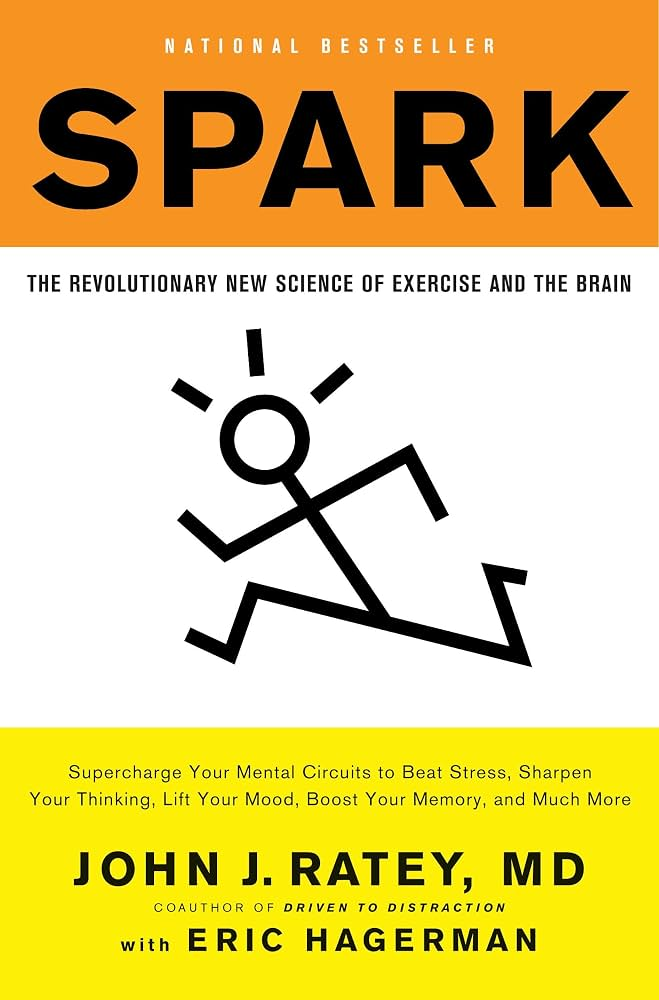
Psychiatrist Dr John Ratey explores this connection in Spark: The Revolutionary New Science of Exercise and the Brain, written with Eric Hagerman. The book examines how exercise affects the brain, including its relationship with mood, stress, attention and learning. Its central lesson is that physical activity belongs in any serious conversation about caring for the mind.
That changes the way we can think about a workout.
A walk can be time set aside for your mental health. A strength session can become a regular appointment with yourself. Training with a friend can give you both movement and an opportunity to talk.
Research published since Spark reinforces the case for taking exercise seriously. A 2024 systematic review in The BMJ examined 218 studies involving 14,170 participants who met clinical thresholds for depression. Walking or jogging, strength training and yoga were among the activities associated with meaningful reductions in depressive symptoms.
The researchers also identified limitations: confidence in the evidence was low or very low for many comparisons. Nevertheless, they concluded that exercise should be considered alongside psychotherapy and antidepressants as a core treatment option.
For men struggling with their mental health, that offers a practical avenue for support. It does not mean depression is a failure of discipline, or that everyone can exercise their way out of it. Exercise can form part of treatment, and persistent or worsening symptoms deserve professional support.
The challenge, of course, is getting started when you feel low.
Waiting until you feel motivated can make that harder. A more workable approach is to make the first action small enough to attempt today.
Put your shoes on. Then walk, jog or run until you are breathless and sweating. If you're currently obese that might be only 5 minutes. Go and lift weights, with perfect form, low and slow, high rep sets until your muscles can't lift any more. Go home, have a shower and see how you feel.
A lot of times this will be enough to get you back in the zone.
If you can, bring someone with you.
Your next health win might be a walk you almost skipped, a workout with a friend, or asking someone to join you because today feels difficult.
Motion is emotion. Give yourself a chance to feel different by taking the first step.
Bring someone with you
Find men who'll walk, train and talk with you — and notice when you go quiet.
Join Fireside HealthImportant: This article is general information, not medical advice. Talk to your GP before making significant changes to your exercise or diet. If you are struggling, in Australia you can call Beyond Blue on 1300 22 4636 or Lifeline on 13 11 14. In an emergency, call 000.
References
- Ratey, J. J. with Hagerman, E. Spark: The Revolutionary New Science of Exercise and the Brain.
- Noetel, M. et al. (2024). Effect of exercise for depression: systematic review and network meta-analysis of randomised controlled trials. The BMJ, 384, e075847.
Fireside Health — Better Men. Better Health. Together.